
EXHAUST GUIDE · WEST COAST PERFORMANCE
Cat-Back vs Turbo-Back Exhaust: What Is the Difference?
A cat-back exhaust normally starts after the catalytic converter, while a turbo-back exhaust covers a broader route from the turbocharger rearwards. Exact scope varies by vehicle and supplier, so the actual components involved matter more than the label alone. This guide explains both terms in plain language before you discuss your vehicle with us.
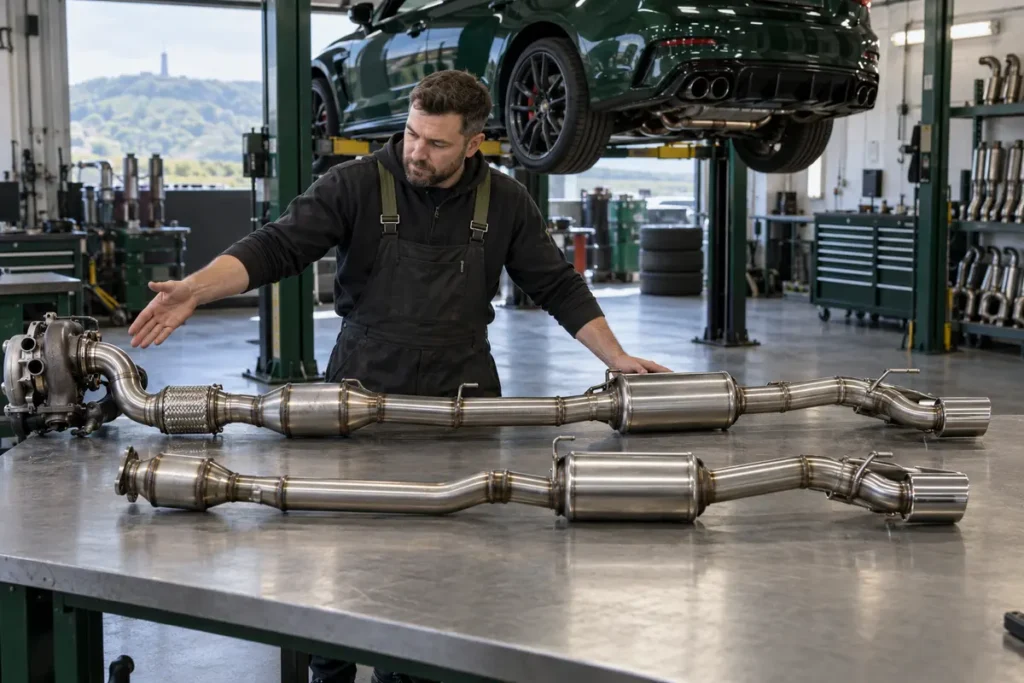
Check the Component List, Not Only the Name
“Cat-back” and “turbo-back” describe roughly where a system begins, not a fixed, universal parts list. Vehicle layout, the components actually included, and road-use requirements all need to be checked before selecting a system for your car.
Suppliers and enthusiasts do not always use these terms identically, which is another reason to focus on the actual component list rather than the label when discussing your vehicle.
The System Areas in Plain English
Before comparing the two terms, it helps to picture the exhaust system in three general areas. This is a simplified overview, not a technical specification for any particular vehicle.
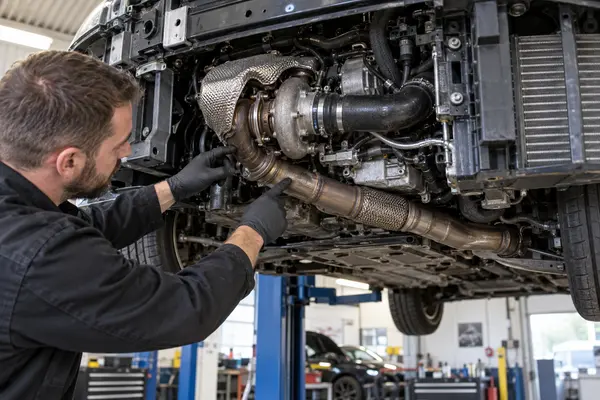
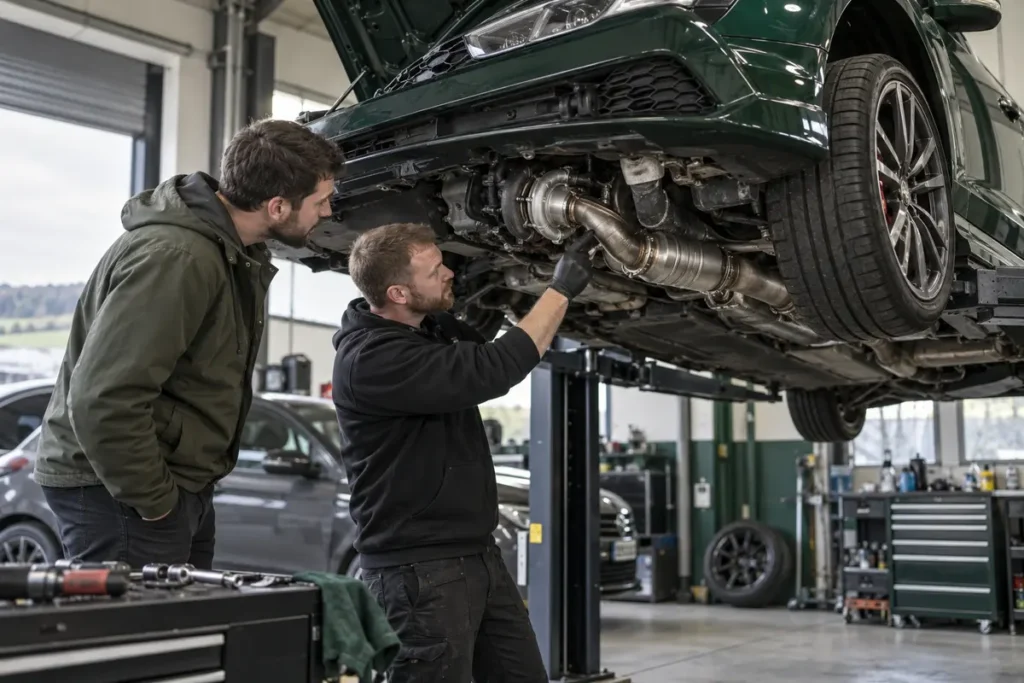
Turbo and Front Exhaust Area
On a turbocharged vehicle, this is the area near the turbocharger where exhaust gases first leave the engine.
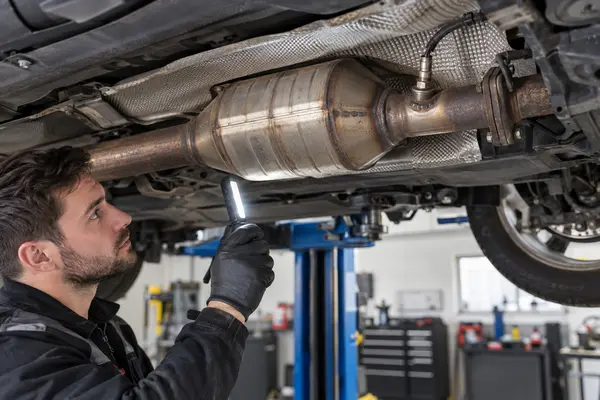
Catalytic and Emissions-Control Area
This area contains the catalytic converter and related emissions-control components, positioned along the system.
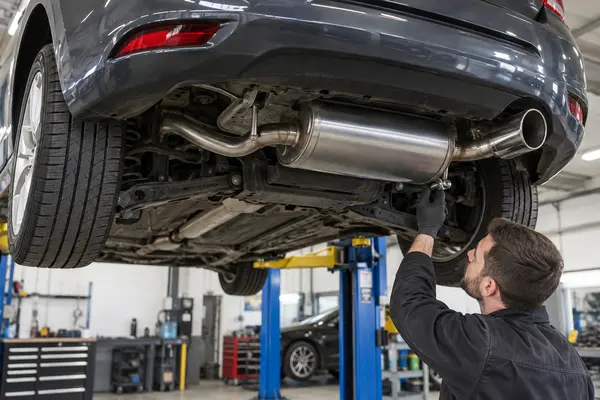
Rear Pipework, Silencers and Tailpipe
The rear section typically includes pipework, one or more silencers or resonators, and the tailpipe outlet.
Where “cat-back” and “turbo-back” each begin relates to these areas, which is what the next sections explain. Exact boundaries and component names can still differ from one manufacturer’s terminology to another.
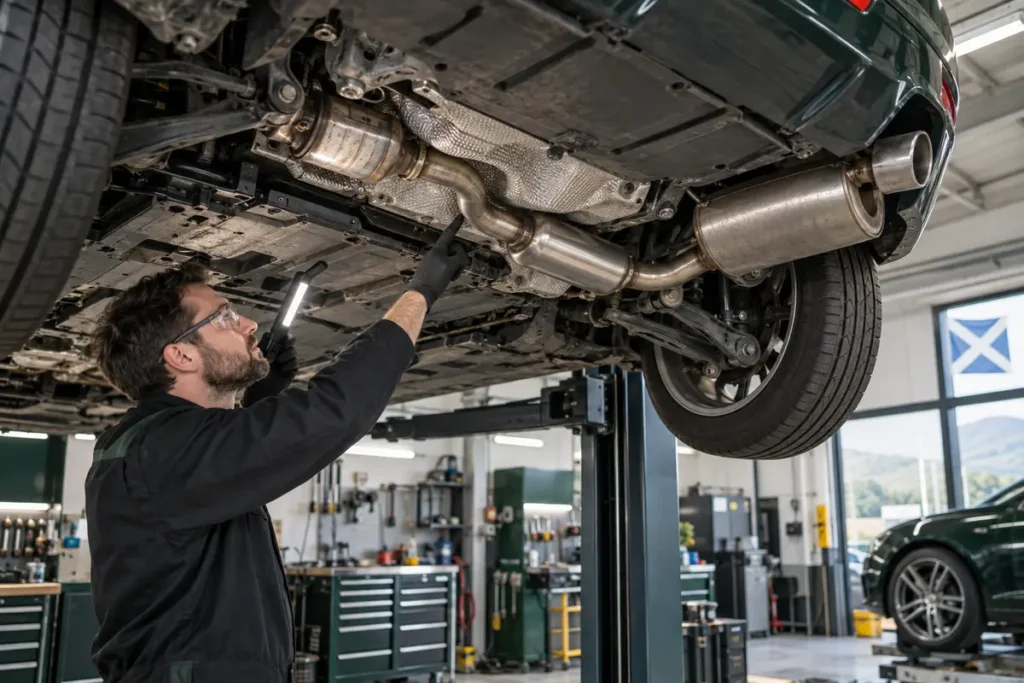
STARTING AFTER THE CATALYTIC CONVERTER
What “Cat-Back” Usually Means
“Cat-back” generally describes the exhaust components downstream of the catalytic converter, commonly including pipework, one or more silencers or resonators, and the tailpipe or tailpipes. It does not typically involve the catalytic converter itself or anything upstream of it.
Even within this description, layouts vary between vehicles and suppliers, and sound or appearance choices are not guaranteed to suit every car. The actual parts list for your vehicle needs to be confirmed rather than assumed from the label, and we do not promise a specific outcome without first understanding your vehicle.
Because a cat-back approach sits downstream of the catalytic converter, it is sometimes discussed as a comparatively contained scope of work. That does not mean it is automatically simple or automatically suitable — the same principle of confirming the actual components still applies.
What “Turbo-Back” Usually Means
“Turbo-back” generally describes a broader system beginning at or after the turbocharger and continuing rearwards. This term only applies to turbocharged vehicles — a non-turbocharged vehicle cannot meaningfully receive a turbo-back system.
A Broader Starting Point Near the Turbo
The system extent generally begins nearer the turbocharger, covering more of the exhaust route.
Vehicle-Specific Sensors and Components
This broader scope can involve emissions-control components and sensors specific to your vehicle.
Greater Need for Compatibility Checks
A wider scope generally means more to check for compatibility and compliance before proceeding.
Because this scope can involve emissions-control components and sensors, the exact proposed parts need to be identified for your vehicle rather than relying on the term alone. This is also why a turbo-back conversation typically takes longer to define than a narrower cat-back one.
Cat-Back vs Turbo-Back: The Practical Differences
Comparing cat-back and turbo-back exhaust systems in practical terms, without assuming one is automatically better than the other. Each point below depends on the specific vehicle in question.
- Starting point and usual extent: cat-back typically starts after the catalytic converter; turbo-back typically starts nearer the turbocharger and covers more of the system.
- Components potentially affected: turbo-back can involve more components, potentially including emissions-related parts and sensors, depending on the vehicle.
- Vehicle compatibility: turbo-back only applies to turbocharged vehicles; cat-back may apply more widely, though layouts still vary.
- Sound and appearance considerations: both can involve choices to discuss, but neither guarantees a specific sound or look for every vehicle.
- Installation complexity: a broader scope generally involves more components and more to consider during fitment.
- Emissions, noise, MOT and insurance considerations: these depend on the vehicle, the components involved and current requirements, and should be confirmed rather than assumed.
- Inspection and an agreed specification: both approaches need the actual components confirmed for your vehicle before anything is agreed.
Neither option is automatically the right choice. What matters is which components are actually being proposed for your specific vehicle, and how that fits with how you intend to use the car.
OUR APPROACH
How to Choose the Right Scope
Choosing between a cat-back approach, a turbo-back approach, or something else entirely follows the same careful sequence.
01
Identify the Vehicle and Turbo Configuration
We confirm the exact vehicle, engine and turbo configuration, where relevant.
02
Explain Current Condition and Modifications
You explain the current exhaust condition and any previous modifications.
03
Define the Goal
We define whether the goal is repair, sound, appearance or a considered upgrade.
04
Confirm Components
We confirm which components would remain and which would change.
05
Review Compatibility and Compliance
We review compatibility, road-use and insurance considerations relevant to your vehicle.
06
Agree the Specification
We agree the specification with you before any fabrication or installation begins.
Questions to Answer Before Deciding
These are useful questions to think about before your discussion with us, though none require a definite answer in advance.
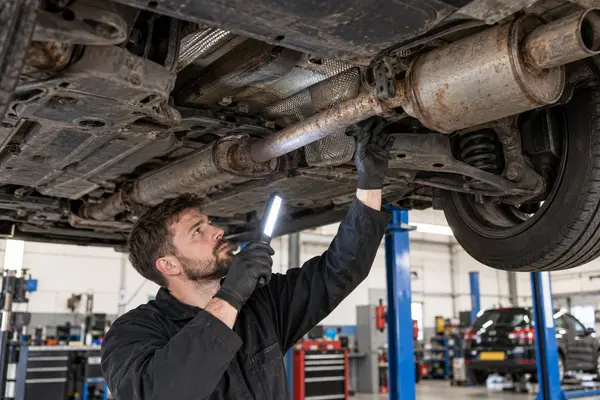
What Is the Current Layout and Condition?
Understanding what is currently fitted, and its condition, is the starting point for any discussion.
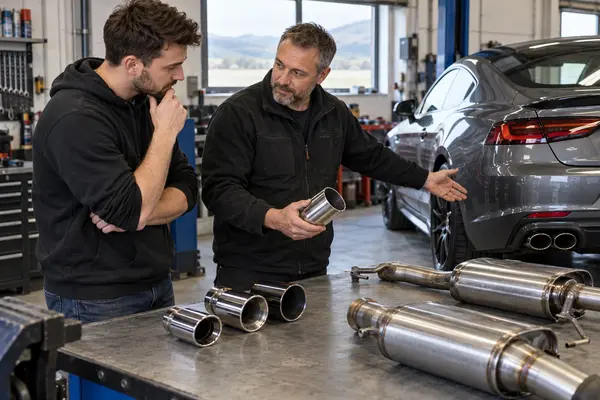
What Sound and Appearance Are You Seeking?
Your preferences help guide the conversation, though results depend on what suits your specific vehicle.
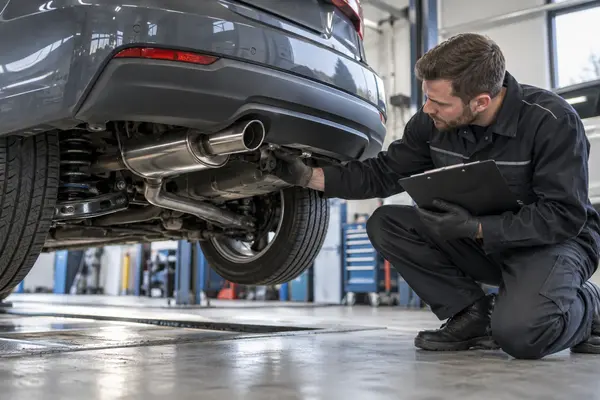
Is the System Suitable for Road Use and Your Vehicle?
Suitability for road use and your specific vehicle needs to be checked rather than assumed from a label.
BEYOND THE MODEL NAME
Why a Vehicle-Specific Assessment Matters
A model name alone may not reveal the engine variant, turbo arrangement, sensor positions, prior modifications or current condition of a particular vehicle. Two cars of the same model can have genuinely different exhaust requirements.
A workshop discussion and inspection help define a sensible system boundary for your car, rather than ordering or fabricating components around assumptions. You can read more about our approach on our performance exhaust upgrades page.
This matters just as much for a straightforward cat-back enquiry as it does for a more involved turbo-back one — assumptions made without seeing the vehicle are the most common source of mismatched expectations.
BEFORE YOU GET IN TOUCH
Information to Bring to the Discussion
Sharing these details helps our conversation move more efficiently, though none of this is required before you contact us. Please do not go underneath the vehicle or attempt to identify hot or unsafe parts yourself.
- Make, model, year and registration or engine variant, where known
- Whether the vehicle is turbocharged
- Current exhaust condition
- Previous exhaust or engine modifications
- Any warning lights or known faults
- Intended road or other use
- Preferred sound character
- Appearance preferences
- Current concerns
- Desired outcome and any budget or timing to discuss
LOCAL TO DALRY
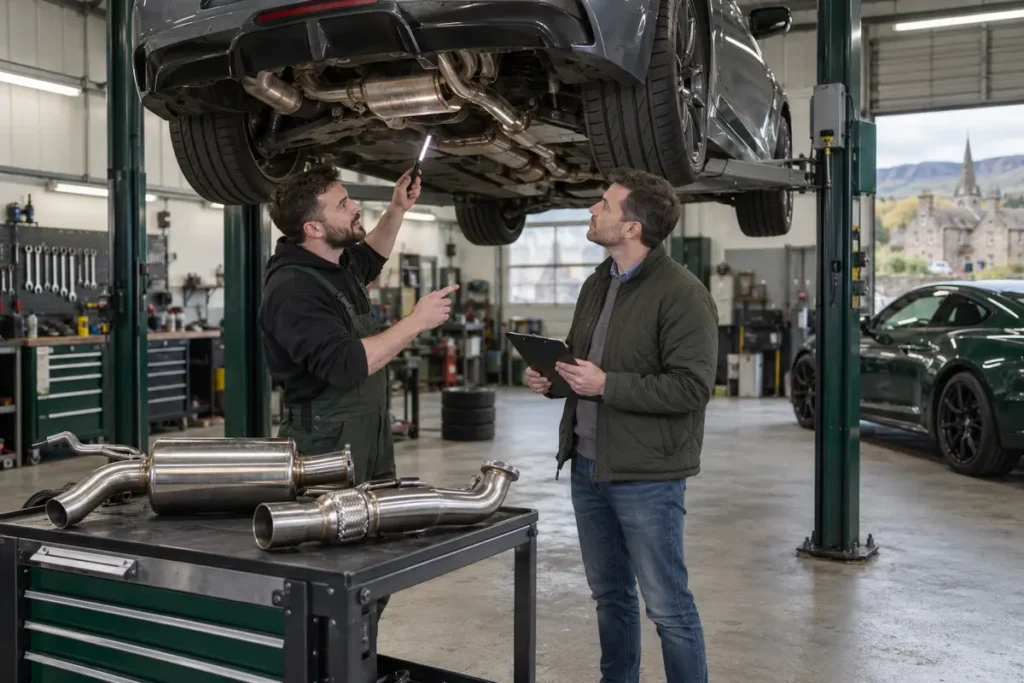
Discuss the Right Exhaust Scope at Our Dalry Workshop
West Coast Performance is based at Carsehead Foundry, Beith Road, Dalry, KA24 4HZ, and serves drivers across Ayrshire. This guide explains the general terms, and a vehicle-specific discussion at our workshop is the way to confirm what is actually appropriate for your car.
Whether you are considering a cat-back approach, a turbo-back approach, or simply want to understand your options before deciding, we are happy to talk it through with you.
- Carsehead Foundry, Beith Road, Dalry, KA24 4HZ
- Serving drivers across Ayrshire
- Specification agreed with you before any work is agreed
Cat-Back vs Turbo-Back FAQs
What is the main difference between cat-back and turbo-back exhausts?
The main difference is generally where the system begins. Cat-back typically starts after the catalytic converter, while turbo-back typically starts nearer the turbocharger and covers a broader route, though exact scope varies by vehicle.
Where does a cat-back exhaust normally begin?
A cat-back exhaust generally begins downstream of the catalytic converter, commonly including pipework, silencers or resonators, and the tailpipe, though the exact layout depends on the vehicle.
What parts can a turbo-back exhaust include?
A turbo-back exhaust can potentially include components from near the turbocharger rearwards, which may involve emissions-control parts and sensors depending on the vehicle. The exact parts need to be confirmed rather than assumed.
Can a non-turbo car have a turbo-back exhaust?
No. A turbo-back exhaust relates to the turbocharger’s position in the system, so a non-turbocharged vehicle cannot meaningfully receive a turbo-back system.
Is a turbo-back always louder than a cat-back?
No. We cannot promise a specific sound outcome for either option, as this depends on the actual components involved and the vehicle itself.
Does either system guarantee more power?
No. Neither cat-back nor turbo-back labels guarantee a power or performance change, and we do not promise specific gains from either approach.
Is a cat-back exhaust automatically road legal?
No. Road legality depends on the vehicle, the specific components fitted and current requirements, not the cat-back label alone. This should be confirmed for your vehicle rather than assumed.
Can a turbo-back affect emissions or MOT requirements?
It can, depending on the components involved, since a turbo-back scope may include emissions-related parts. Emissions and MOT considerations should be checked for your specific vehicle and proposed components.
Do I need to tell my insurer about an exhaust change?
This depends on your policy and insurer, so we recommend checking with them directly about notifying any exhaust change relevant to your vehicle.
Which option is better for my car?
Neither option is automatically better. What suits your car depends on its condition, your goals and the specific components involved, which is why we discuss and inspect before recommending anything.
Can a custom system be planned around the existing exhaust?
Yes, this can be discussed. We consider your existing exhaust and vehicle when planning a suitable custom approach, confirmed after inspection.
How do I discuss an exhaust system with West Coast Performance?
Use the “Discuss Your Exhaust Options” button, call the workshop on 01294 493376, or complete the enquiry form below and we will get back to you.
EXHAUST OPTIONS · DALRY
Discuss a Vehicle-Specific Exhaust Setup
Share your vehicle and engine details, current setup, concerns, intended use and desired sound or appearance, and we will discuss a suitable approach with you.
Or Contact Us Directly
FIND US
Carsehead Foundry, Beith Road, Dalry, KA24 4HZ
Experienced Local Mechanics
Skilled technicians with years of hands-on experience.
Authorised Powerflow Exhaust Centre
Official Powerflow centre building premium systems.
Modern Workshop & Diagnostics
State-of-the-art equipment for accurate diagnostics.
Convenient Ayrshire Location
Easily accessible with parking on-site.