
CLASSIC CAR EXHAUST GUIDE · DALRY
How to Choose the Best Exhaust for a Classic Car
The best exhaust for a classic car starts with the car itself: its existing layout, engine, condition, history, originality goals and how you actually use it. Material, routing, silencers and appearance are then agreed around those priorities, rather than chosen from a catalogue first. This guide sets out a framework for that conversation, not a single recommendation for every classic car.
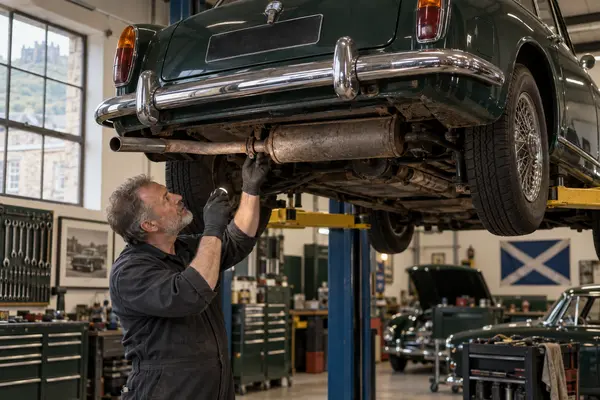
“Best” Means Appropriate for This Car
Two similar classic cars may need genuinely different exhausts because of their history, previous repairs, modifications, parts availability, preservation goals and how each one is actually driven. There is no single system that suits every car of the same model.
This is why we treat “best” as a question about your specific vehicle, rather than a fixed product recommendation we could give without seeing the car.
Define Your Priorities First
None of these priorities is automatically superior. Which matters most to you shapes the rest of the conversation about materials, sound and specification.

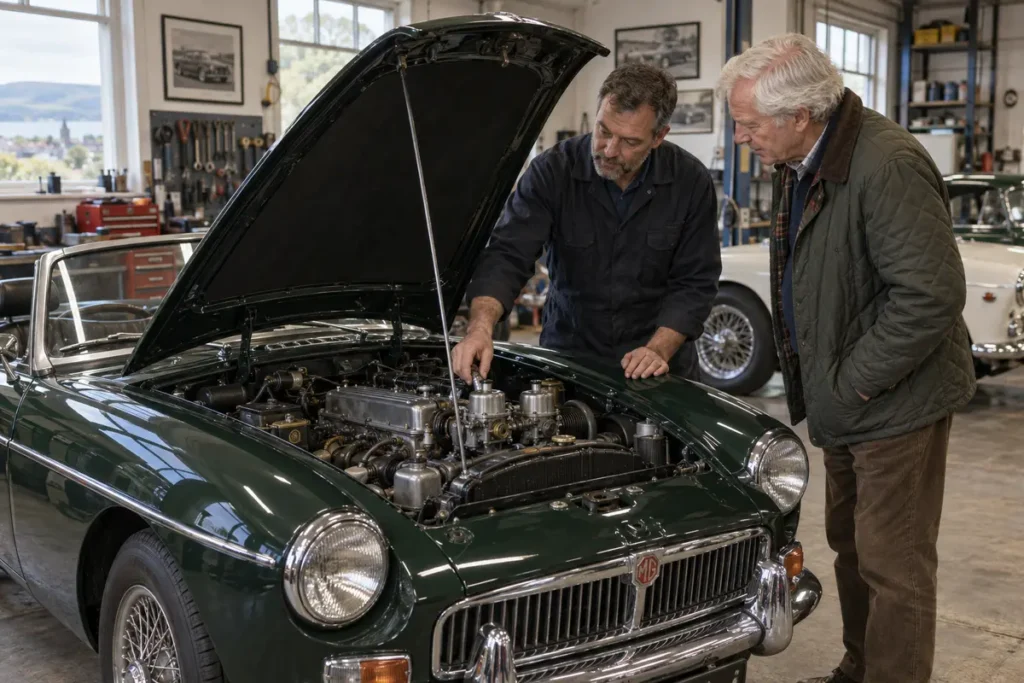
Preserve Originality and Period Character
If keeping the car as close to original as possible matters to you, this is a legitimate priority to lead with.
Improve Durability and Everyday Usability
If you use the car regularly, dependable everyday performance may be a more useful priority than strict originality.
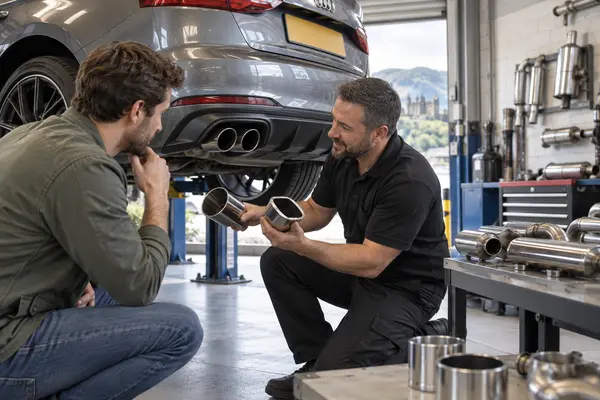
Plan a Considered Sound or Appearance Change
Where a change in sound or appearance is genuinely wanted, it can be planned carefully alongside the other priorities.
Many owners find their priorities sit somewhere between these three, and that is a perfectly reasonable starting point for a discussion. Knowing roughly where you stand before you get in touch helps us focus the conversation on what actually matters to you.
BEFORE ANY RECOMMENDATION
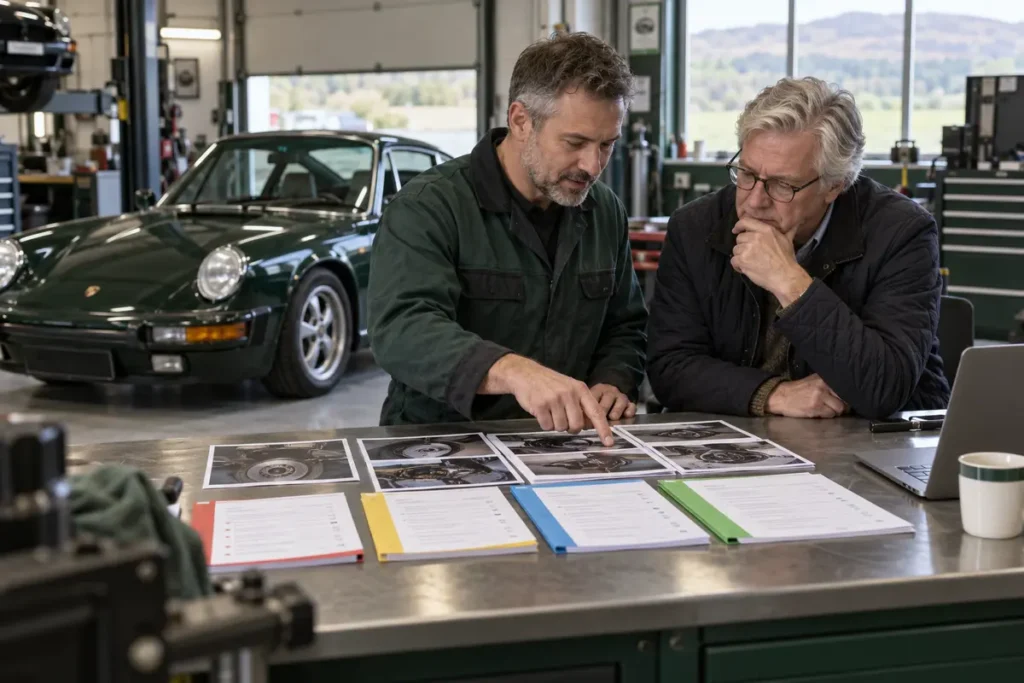
Assess the Existing System and Vehicle History
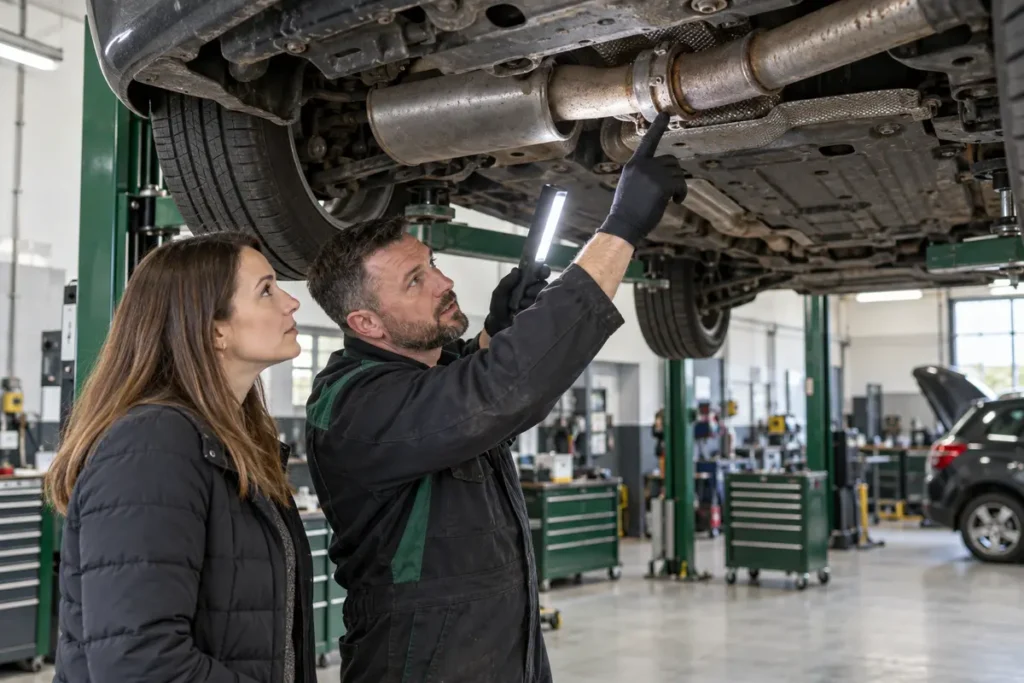
The current exhaust, its mounting points, available clearances, any previous repairs or modifications, the engine setup and whatever records you can share all help build a picture of what is actually involved, rather than what a general specification sheet might suggest.
We do not claim the original layout is always known or documented, and we do not list specific workshop tests here. What we can say is that this assessment comes before any recommendation, not after.
Classic cars in particular often carry a mix of original and replacement parts fitted over many years, sometimes by different people with different approaches. Understanding what is actually there, rather than assuming a textbook specification, is part of what makes the assessment worthwhile.
Choosing Material Without Oversimplifying
Each option has benefits and trade-offs rather than a universal answer. We do not promise a fixed lifespan, sound or resale value from any single material choice, and we do not name a specific grade or specification here unless it has been agreed for your vehicle. Our guide to the benefits of a custom stainless steel exhaust covers the stainless option in more depth.
Original-Style or Mild-Steel Replacement
Where preservation matters, an original-style or mild-steel replacement may suit the car’s character and history.
Stainless Steel Corrosion-Resistance Potential
Stainless steel is often considered for its potential corrosion resistance, though performance still depends on the specification.
Bespoke Fabrication Where Needed
Where standard parts or the existing layout do not suit, bespoke fabrication may be discussed as an option.
The right material for your car depends on how it balances against your priorities from the previous section, not on which material sounds most advanced.
A GOAL TO DEFINE
Sound, Silencers and Classic-Car Character
Engine type, system layout, pipework, silencers or resonators, outlet position and even the car’s cabin construction all influence the eventual sound. We do not assume louder is better, and we cannot promise an exact sound from a written description alone.
For many classic cars, period-correct sound is as much a priority as outright volume, and the two are not the same goal.
- Cruising comfort over longer journeys
- Cabin drone at certain speeds, a discussion point rather than a guarantee
- Cold-start behaviour and how it may change
- Period character as a goal to define together
OUR PROCESS
From First Discussion to Agreed Specification
Every classic car exhaust enquiry follows the same sequence, from your first conversation through to a confirmed, agreed specification.
01
Share Vehicle Details and History
You share make, model, year, engine and whatever history is available.
02
Explain Your Priorities
You explain your originality, use, sound and appearance priorities.
03
Inspect the Current System
We inspect the current system, mounting points and surrounding condition.
04
Compare the Options
We compare faithful replacement, section repair and custom options for your car.
05
Review Constraints
We review materials, practical constraints and road-use considerations with you.
06
Agree the Specification
We agree the scope and specification together before any work begins.
Details That Shape the Final System
These details are agreed as part of your specification, not assumed to be the same for every car. Not every custom system is modular, and original mounting points cannot always be retained on every vehicle.

Routing, Ground Clearance and Mounting Points
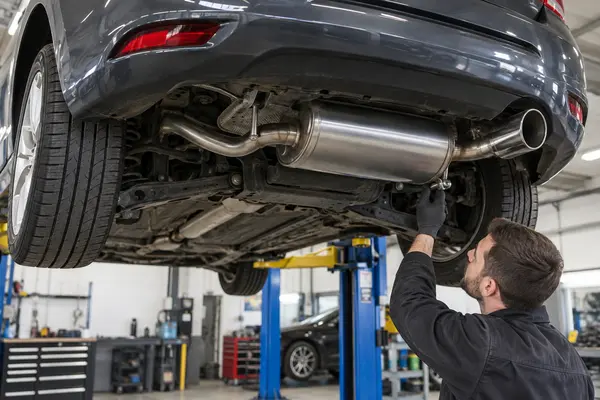
The route, available ground clearance and mounting points all shape what is practical for your car.
Silencer and Tailpipe Position
Silencer and tailpipe position can be discussed as part of the specification, where suitable for the vehicle.
Future Inspection and Repair Access
Access for future inspection or repair can be considered, though not every layout allows the same level of access.
Getting these details right is often what separates a system that genuinely suits your car from one that merely fits on paper.
IF PRESERVATION MATTERS
Originality, Reversibility and Documentation
If originality is a priority, it is worth considering retaining any removed original parts, photographing the existing layout before work begins, keeping a record of agreed changes, and avoiding alteration beyond what is actually needed.
We do not promise historical certification, concours approval or a valuation benefit from any of this. These are practical steps that can help preserve options for the future, not guarantees about outcome.
Keeping this kind of record also makes it easier to reverse a change later, or to explain to a future owner exactly what was done and why, which some owners find valuable in its own right.

BEFORE YOU GET IN TOUCH
Questions to Answer Before Choosing
Thinking about these in advance can help our conversation move more efficiently, though none of this is required before you contact us. Please do not attempt any unsafe under-car inspection yourself to gather this information.
- Vehicle make, model, year and engine
- Original or modified configuration
- Known history
- Current condition
- Availability of existing or original parts
- Preservation goals
- Road use and typical journey type
- Sound and cabin comfort preferences
- Appearance and tailpipe preference
- Ground clearance considerations
- Emissions, noise or insurance considerations to discuss
- Budget and ownership horizon to discuss
LOCAL TO DALRY
Discuss Your Classic Car Exhaust at Our Dalry Workshop
West Coast Performance is based at Carsehead Foundry, Beith Road, Dalry, KA24 4HZ, and provides classic and performance car care for drivers across Ayrshire. Your exhaust specification is agreed with you after we have inspected the vehicle, not assumed from its model alone.
Whether you are preserving a car exactly as it was, improving it for regular use, or somewhere in between, we are happy to talk through what would genuinely suit your vehicle and your priorities.
- Carsehead Foundry, Beith Road, Dalry, KA24 4HZ
- Classic and performance car care across Ayrshire
- Specification agreed with you before any work begins
Classic Car Exhaust FAQs
These questions cover some of the most common points raised by classic car owners when planning an exhaust.
What is the best exhaust for a classic car?
There is no single best option. The right exhaust depends on your car’s condition, history, originality goals and intended use, confirmed after inspection rather than assumed from the model alone.
Should I preserve the original exhaust layout?
This depends on your priorities. If originality matters to you, preserving the original layout where practical is a legitimate goal, and we discuss how to approach this alongside condition and parts availability.
Is stainless steel suitable for a classic car?
It can be, depending on your priorities and the vehicle. Stainless steel is often considered for its potential corrosion resistance, but suitability depends on the specification and whether it fits your originality goals.
Will a stainless system change the sound?
It can influence the sound, but we do not promise an exact or guaranteed change. Sound depends on the whole system design, not the material alone.
Is a louder exhaust better for a classic car?
Not necessarily. We do not assume louder means better. Sound character is a preference to discuss, alongside cruising comfort and cabin drone, not a universal improvement.
Can a custom exhaust use the original mounting points?
Sometimes, depending on the vehicle’s condition and the agreed design, but we do not claim original mounting points can always be retained.
What if original replacement parts are unavailable?
Where original parts are not available, a close-match replacement or bespoke fabrication may be discussed as an option, confirmed after assessing your specific vehicle.
Can only one damaged section be repaired or replaced?
In some cases, yes, depending on the condition of the surrounding system. This is confirmed after inspection rather than assumed in advance.
Will a custom exhaust increase the car's value?
We do not promise a value increase from any exhaust work. Value depends on many factors beyond the exhaust, and we would not make that claim without evidence specific to your vehicle.
Can modern emissions equipment be removed from an older vehicle?
We do not recommend removing or defeating emissions-control equipment. Requirements vary by vehicle age, original specification, modification history and intended road use, and should be discussed for your specific car.
What information should I provide before an assessment?
Your vehicle’s make, model, year and engine, known history, current condition, any existing modifications, and your priorities around originality, use and sound.
How do I discuss a classic-car exhaust with West Coast Performance?
Use the “Discuss Your Classic Car Exhaust” button, call the workshop on 01294 493376, or complete the enquiry form below and we will get back to you.
CLASSIC CAR EXHAUST ENQUIRY
Plan an Exhaust Around Your Car and Priorities
Share your vehicle and engine details, history, current system condition, originality goals, intended use and sound or appearance preferences, and we will discuss a suitable specification with you. Explore All Vehicle Services and Guides.
Or Contact Us Directly
FIND US
Carsehead Foundry, Beith Road, Dalry, KA24 4HZ
Experienced Local Mechanics
Skilled technicians with years of hands-on experience.
Authorised Powerflow Exhaust Centre
Official Powerflow centre building premium systems.
Modern Workshop & Diagnostics
State-of-the-art equipment for accurate diagnostics.
Convenient Ayrshire Location
Easily accessible with parking on-site.